- Tanim Prodhan
- Posts
- The Internal Shift No One Talks About in Financial Freedom
The Internal Shift No One Talks About in Financial Freedom
Understanding the Psychological Journey Behind Financial Independence

Timeless Success Secrets
February 21, 2026

Most people think financial change is about strategies, assets, or income.
Few realize the real shift happens internally — long before money changes.
The Internal Journey
Transitioning from one financial position to another — especially from dependence on earned income toward asset-based income — is less about tactics and more about internal conditioning. It involves replacing one set of beliefs and skills with another.
The process resembles learning a physical skill. In the beginning, there are repeated failures. There may be embarrassment, frustration, and doubt — especially when others are watching. Over time, however, competence replaces fear. Once the internal confidence develops, falling down again no longer carries the same emotional weight. The knowledge that recovery is possible changes everything.
The shift from prioritizing job security to prioritizing financial freedom follows a similar pattern. At first, perceived risk appears overwhelming. But once individuals cross that psychological barrier, failure becomes less intimidating because resilience has already been proven internally.
One perspective that often sustains people during transitions is recognizing that quitting remains an option. When someone understands they could turn back at any time, panic decreases. Ironically, remembering that quitting is possible often reduces the desire to quit impulsively.
However, discernment matters. Persistence and stubbornness are not the same. Intelligence includes recognizing when an effort has no viable path forward. The challenge lies in distinguishing between temporary discomfort and structural impossibility. This is where mentorship becomes relevant. Those who have already navigated similar transitions often provide clarity that theory alone cannot.
Fear and Financial Behavior
Fear of losing does not only influence investments — it shapes life decisions.
Patterns often observed:
Holding onto declining assets to avoid admitting loss
Selling winning assets too early out of fear
Remaining in unfulfilling jobs
Staying in stagnant environments
Avoiding change due to social perception
The emotional discomfort of loss frequently overrides rational evaluation.
In contrast, individuals who operate more neutrally toward gain and loss often make decisions based on data rather than emotion. Accepting small losses can preserve capital. Allowing winners to continue can compound results.
This neutrality is less technical and more psychological.
Emotional Intelligence and Money
Financial intelligence and emotional intelligence are interconnected.
Common fear-based internal language includes:
“Security is safer than freedom.”
“Avoid risk entirely.”
“Play it safe.”
“I can’t afford it.”
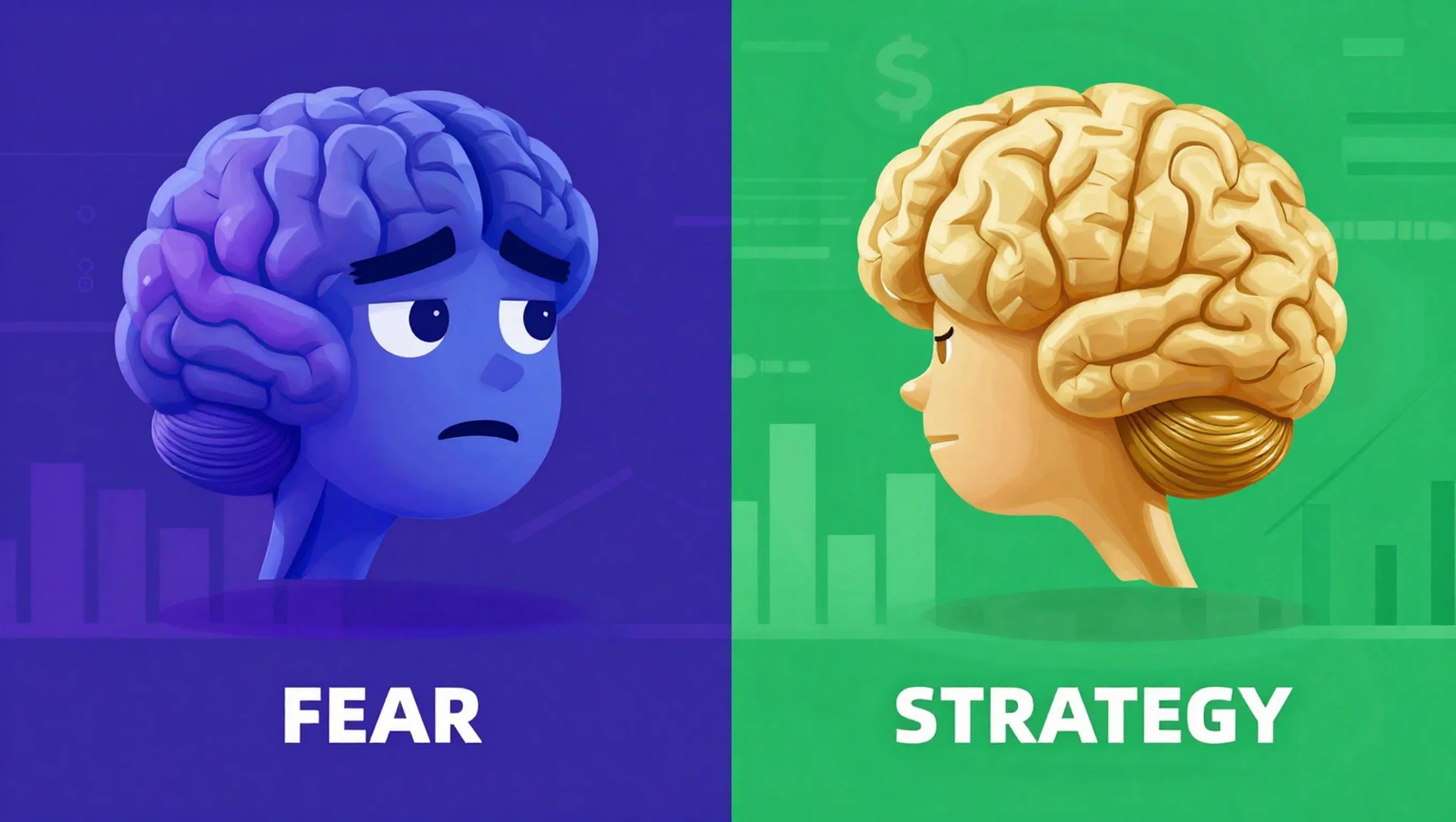
More analytical language might sound like:
“How is risk managed?”
“What is the long-term value?”
“What systems reduce exposure?”
The distinction is subtle but powerful.
The Wisdom of Risk
Risk is not the absence of caution; it is the presence of management.
Advanced financial participants often differentiate between:
Business system risk
Market risk
Psychological risk
Understanding how emotions influence decisions becomes as important as understanding numbers.
Key Lessons
Quadrant movement is psychological before financial
Fear often disguises itself as logic
Emotional neutrality improves financial decisions
Losses are part of compounding success
Mentorship accelerates clarity
Actionable Reflections (Educational)
Identify one fear-based financial phrase you repeat internally
Observe a recent decision: emotion-driven or data-driven?
Map where you might be “holding onto” something past its usefulness
Educational Alert
⚠️ Emotional Readiness Matters
Not everyone benefits from attempting financial transitions prematurely. Without emotional discipline and support systems, decisions may become reactive rather than strategic.
This discussion is educational and not a recommendation to pursue any specific financial path.
Game:

Many of these emotional and financial patterns are simulated inside the Cashflow board game.
It illustrates income statements, assets, liabilities, and emotional reactions to opportunity.
If you want experiential learning rather than theory, consider playing the game.


The Rich constantly educate themselves on matters of money.
Book
These ideas originate from the framework presented in Rich Dad’s Cashflow Quadrant by Robert Kiyosaki.

If this breakdown helped you see financial change as psychological rather than mechanical, future issues explore similar frameworks around risk, dependency, and system thinking.

Disclaimer
This newsletter is for educational purposes only. It does not constitute financial, investment, or professional advice. Outcomes vary based on individual circumstances.
Bonus:
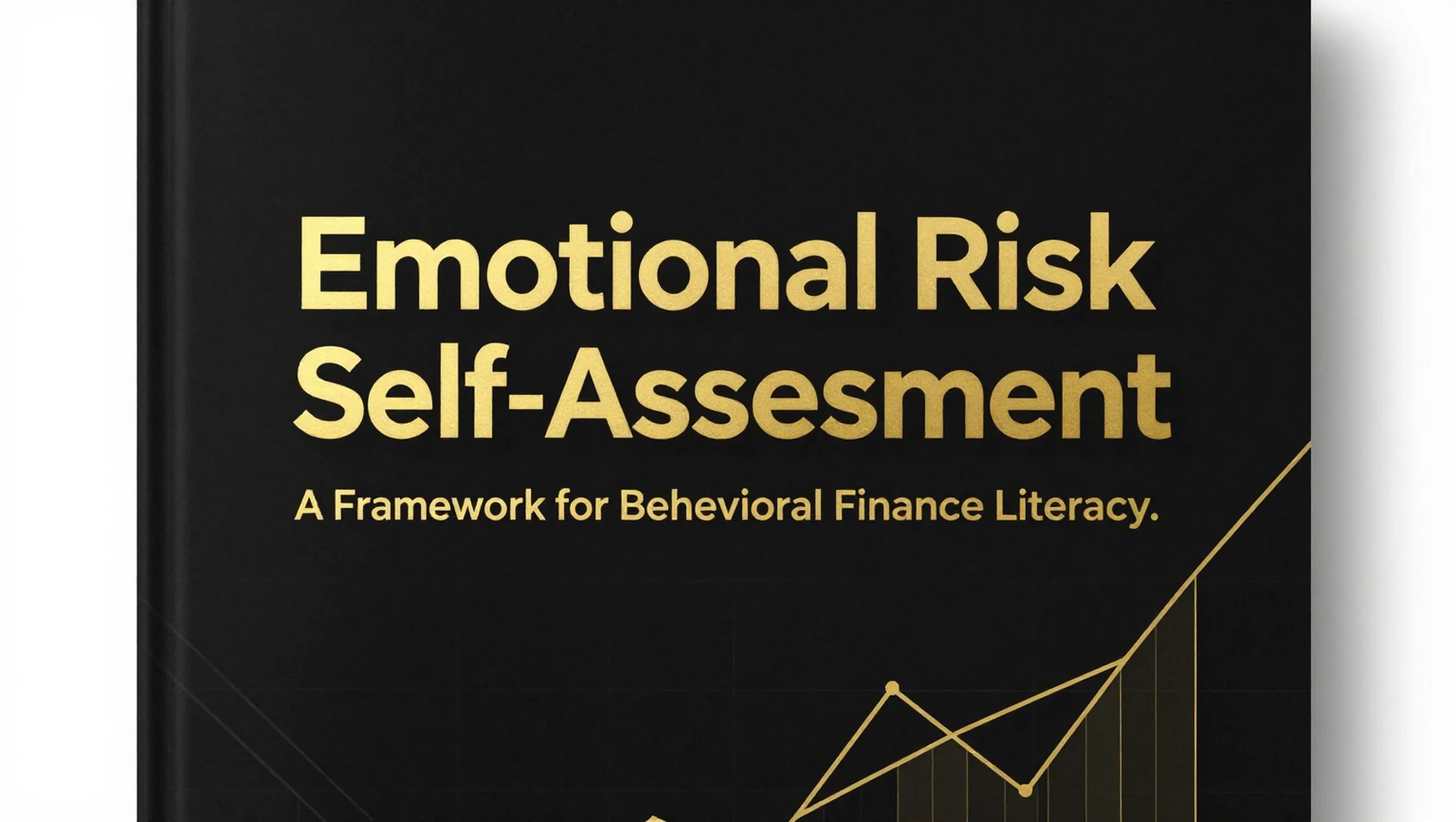
Emotional Risk Self-Assessment Workbook
What’s Inside:
Fear Language Identifier
Loss Reaction Score
Decision Neutrality Test
Quit vs Persist Framework
Support System Mapping Page
To read more on:
“The Real Truth Your Financial Statement Tells You — Kiyosaki’s Way”:

Why Security Feels Safe — But Is Often the Riskiest Choice:

Teach Kids to Think Like Entrepreneurs, Not Employees:
🧮 How to Identify a Defined Benefit vs. Defined Contribution Pension Plan (Beginners’ Guide):
If you are enjoying the newsletter so far then consider joining the newsletter as we share many things on finances and lessons. These are clearly not investment advices but lessons. I share what I learn from books and I add other educational things too. You will like joining my newsletter. You can also read the other ones that I have written too. Join my newsletter with the link below👇: