- Tanim Prodhan
- Posts
- “How Your Words Shape Your Wealth: The Secret Financial Vocabulary You Need to Know”
“How Your Words Shape Your Wealth: The Secret Financial Vocabulary You Need to Know”
The difference between people who build wealth and those who struggle financially may not be money, education, or opportunity. It might simply be their vocabulary.

Timeless Success Secrets
March 07, 2026
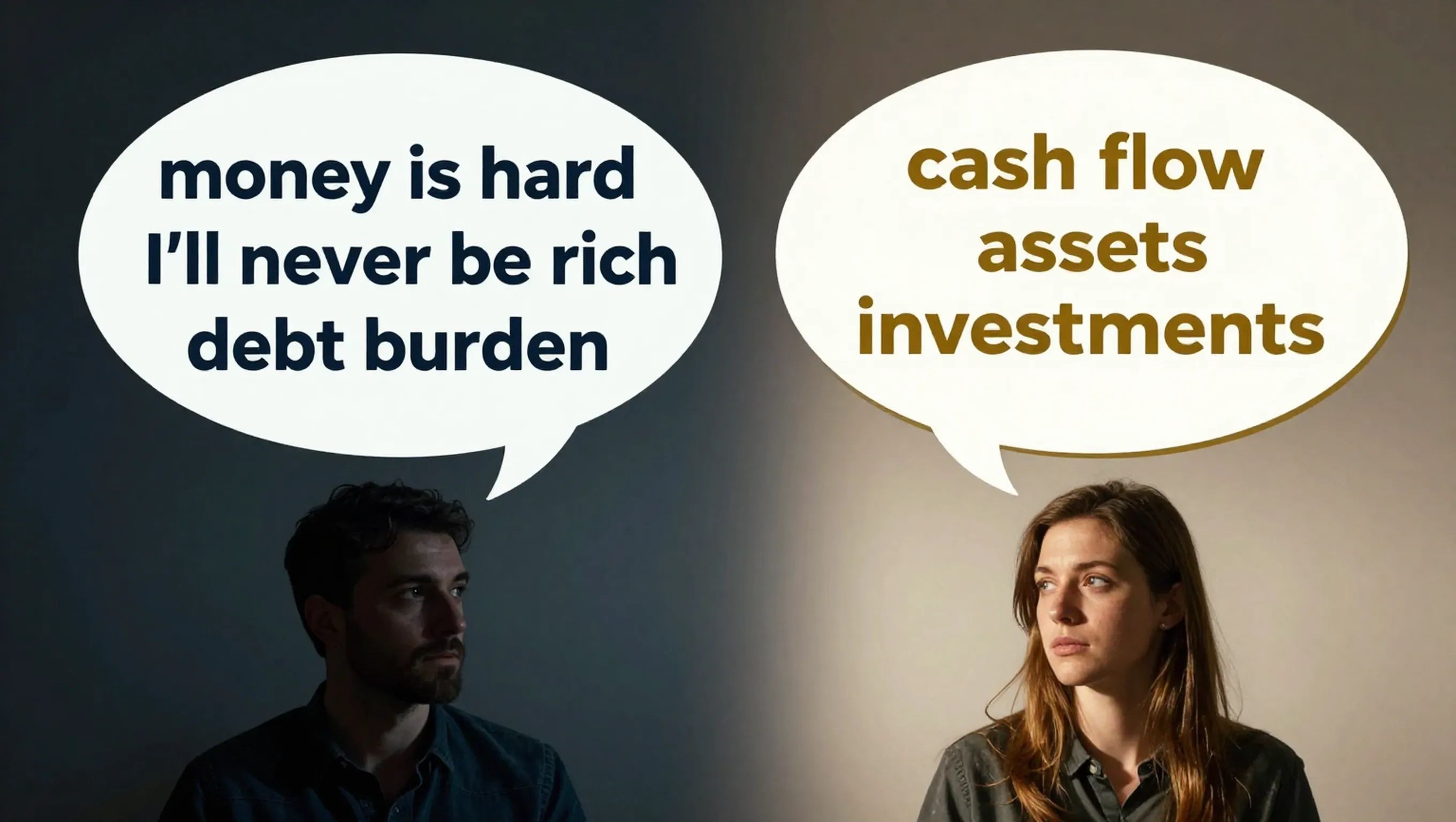
“What if the secret to building wealth wasn’t about how much money you make, but the words you use every day?”
Most people think building wealth requires money.
But according to Robert Kiyosaki, that belief is one of the biggest financial misunderstandings people have.
In his book Rich Dad’s Guide to Investing, he explains that one of the most important wealth-building skills is something surprisingly simple:
Understanding the language of money.
Many people leave school without ever learning the vocabulary used in investing, accounting, or business.
Yet these are the exact languages used by people who build wealth.
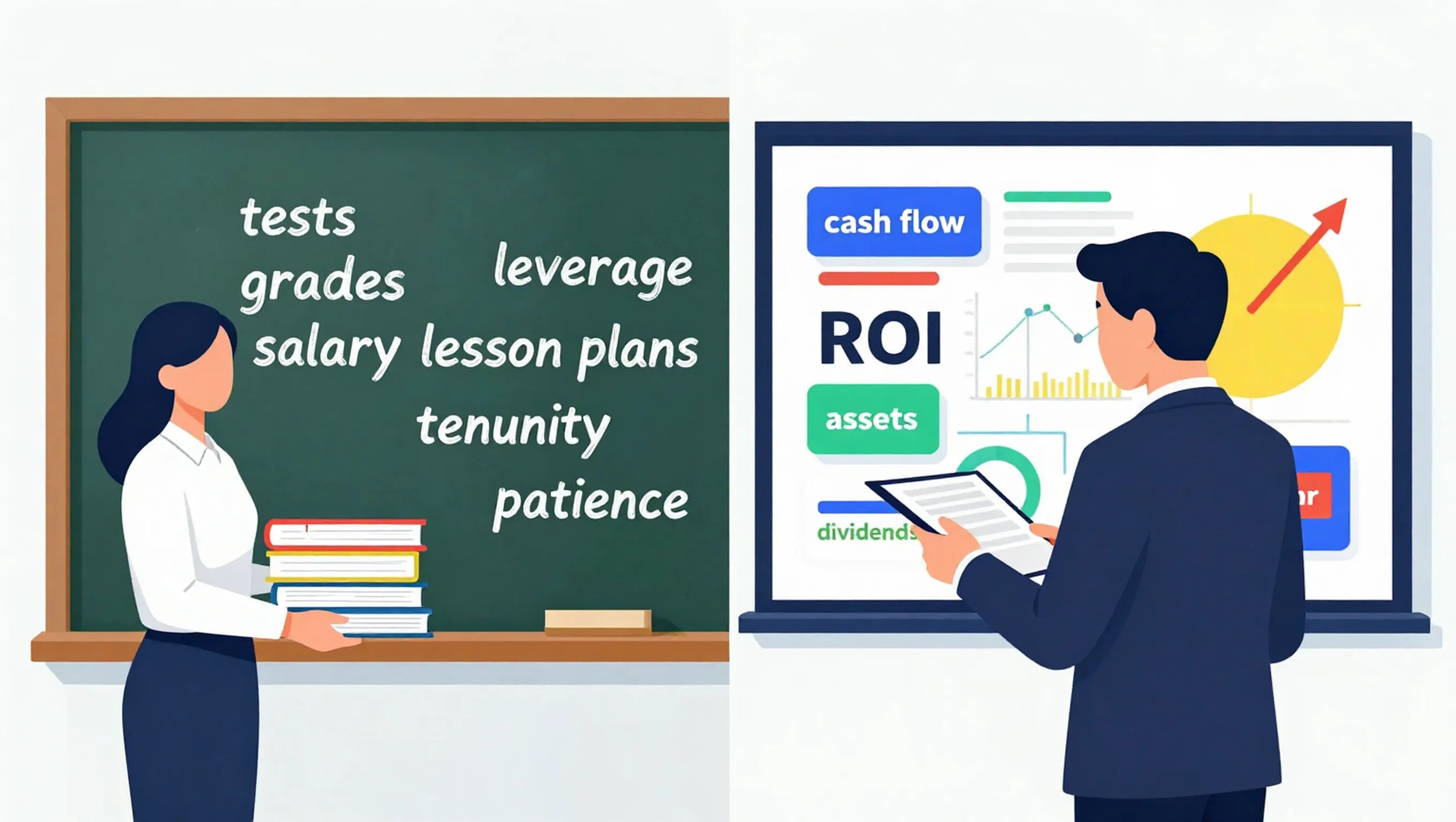
The Language Gap
Think about it.
Different professions speak different languages.
Doctors talk about diagnosis, treatment plans, and symptoms.
Lawyers talk about contracts, liability, and legal frameworks.
Investors talk about things like:
cash flow
assets
leverage
return on investment
financial statements
If you don’t understand these words, it becomes much harder to understand opportunities when they appear.
This is one reason why financial education is so powerful.
Once you learn the language, the entire financial world begins to make more sense.
Why Words Matter in Finance
The words people use around money often reveal their beliefs.
You’ve probably heard phrases like:
“Money is hard to make.”
“I’ll never be rich.”
“Investing is too risky.”
“You need money to make money.”
These ideas sound harmless, but they shape the way people make financial decisions.
According to Kiyosaki’s philosophy, many wealthy individuals think differently.
Instead of asking:
“Can I afford this?”
They ask:
“How can I create an asset that pays for this?”
It’s a small shift in language, but it can lead to very different outcomes.
One Financial Word Everyone Should Understand
One of the most important concepts Kiyosaki teaches is the difference between assets and liabilities.
Many people believe their house is their biggest asset.
But financially speaking, something is only an asset if it puts money into your pocket.
If something takes money out of your pocket every month, it may actually be a liability.
Understanding simple concepts like this can completely change how someone approaches money.
Click the link below to learn what ‘assets’ and ‘liabilities’ are:

Learning the Game of Money
Kiyosaki often explains that money works like a game.
And like any game, it has rules.
The problem is that many people start playing the financial game without ever learning the rules first.
That’s why he created the Cashflow Board Game.
The game is designed to teach concepts like:
investing
cash flow
passive income
financial statements
escaping the “rat race”
Instead of learning these lessons through costly mistakes in real life, players learn them through simulation.
Many entrepreneurs and investors credit the game with helping them understand how wealth actually works.
The Key Lesson:
Building wealth doesn’t start with money.
It starts with education and understanding.
When you learn the language of money, you begin to see opportunities that most people overlook.
And once you understand the rules of the game, you can start playing it much more effectively.
Key Takeaways
• Financial vocabulary shapes financial decisions
• Many people never learn the language of investing
• Words like asset and liability have precise meanings
• Wealth often begins with financial education
• Understanding the rules of money changes how you see opportunities

The Rich constantly educate themselves on matters of money.
📚 Book Recommendation:
If you want to explore these ideas further, I highly recommend reading:
Rich Dad’s Guide to Investing
In the book, Robert Kiyosaki explains how investors think, how they analyze opportunities, and how financial education can change the way you approach money.
It’s one of the most eye-opening books on investing and financial mindset.
🎲 Try the Cashflow Game
Another great way to understand these ideas is through the Cashflow Board Game.
The game simulates real financial situations and teaches players how to:
build passive income
analyze investments
escape the “rat race”
think like an investor
Many people say they learned more about money from the game than from years of traditional education.

Let’s Talk
Now I’m curious about something.
What financial phrases did you hear growing up?
Maybe something like:
“Money doesn’t grow on trees.”
“Rich people are greedy.”
“Investing is risky.”
Reply to this newsletter and tell me.
Your answer might reveal more about your financial programming than you realize.
⚠️ Disclaimer
This newsletter is for educational and informational purposes only.
I am not a financial adviser, accountant, or attorney. Nothing in this newsletter should be considered financial, legal, or investment advice. Always do your own research and consult qualified professionals before making financial decisions.
💌 Enjoyed This?
If you enjoy learning powerful ideas from books about wealth, mindset, and financial education, consider joining the Timeless Success Secrets Newsletter.
Each week I break down ideas from influential books like:
Rich Dad Poor Dad
The Cashflow Quadrant
Rich Dad’s Guide to Investing
Join with the link:

You can read more on:
Why a house is a liability-

The Five Laws of Gold according to the Richest Man in Babylon

Did you know firefighters can be millionaire:
Learn what are ‘Soft Assets’-
Want more newsletters like this, then consider joining. Over here you will get education on finances, not advices on how to invest. If you want to get these then join the newsletter with the link below: